


Should you remove a stairlift before selling your house? If you’re preparing to sell a property that has a stairlift installed, one of the most common questions homeowners ask is whether it should be removed before putting the house on the market.
The answer depends on several factors: buyer demographics, local property markets, and how the stairlift affects buyer perception. While there is limited large-scale statistical data specifically tracking house sales with stairlifts, property experts, accessibility researchers, and estate agents broadly agree on several key patterns.
On the whole it is generally thought better to remove your stairlift before selling your house.
This article examines the evidence, property market behaviour, and buyer psychology behind stairlifts and house sales.
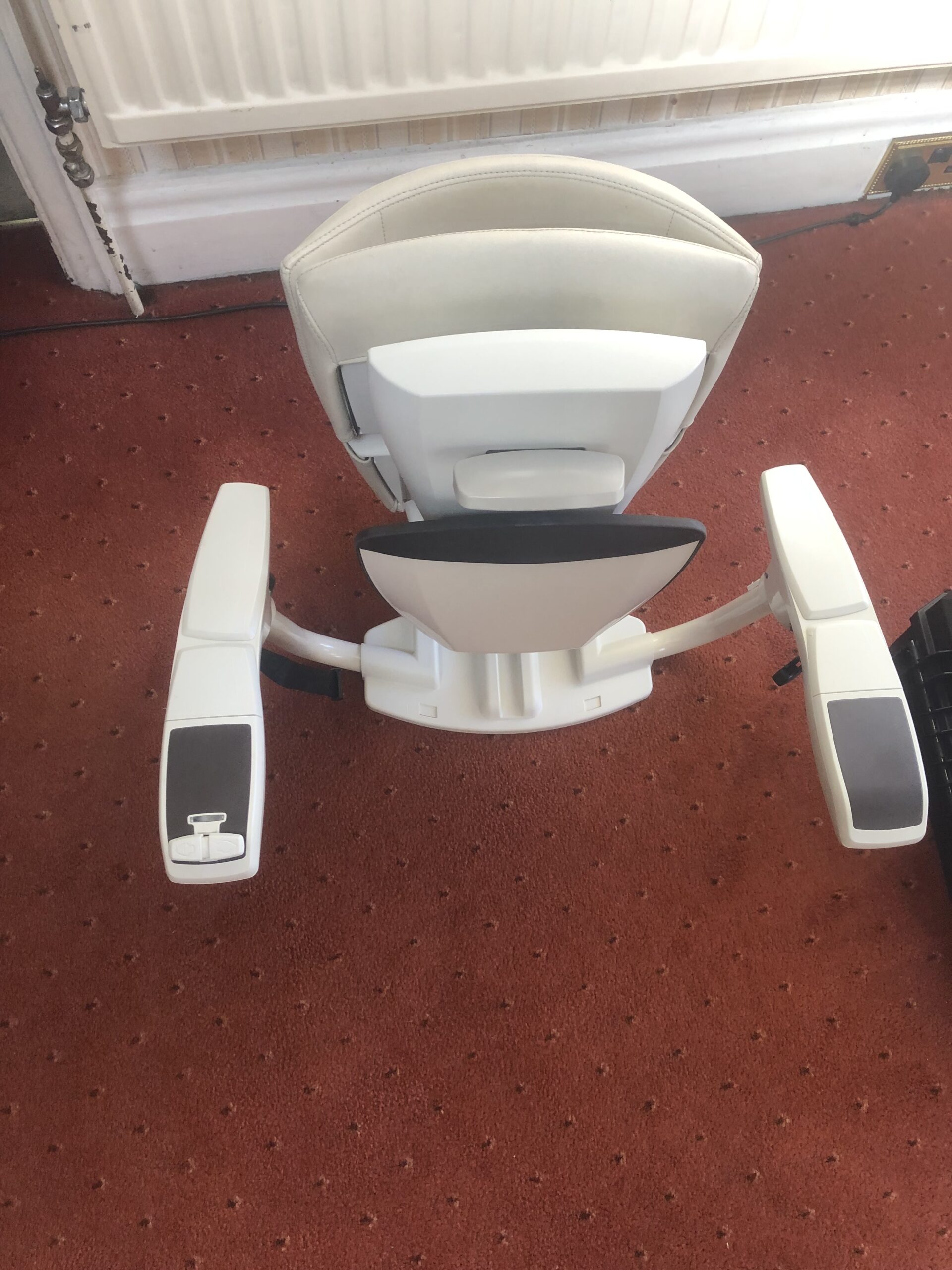
Should You Remove a Stairlift Before Selling Your House – House Value
Most property guidance suggests that a stairlift does not significantly affect the official valuation of a home. Surveyors usually treat stairlifts as removable equipment rather than a structural change to the property.
Because stairlifts are attached to stair treads rather than walls or structural components, they typically leave only small screw holes that can easily be repaired when removed.
As a result:
- A stairlift rarely increases property value
- It rarely directly reduces valuation
- But it can influence buyer perception and demand
Unlike permanent renovations such as extensions or kitchens, stairlifts are usually viewed as a temporary adaptation rather than an investment improvement.
Should You Remove a Stairlift Before Selling Your House – Buyer Perception
Although stairlifts don’t usually affect formal valuations, they can influence how attractive a property appears to buyers.
Some property advisers note that buyers may see a stairlift as:
- an unnecessary fixture
- an obstacle on the staircase
- an indication that removal will be required.
Potential buyers may also factor in the cost and inconvenience of removing it. The cost of stairlift removal in the UK typically varies depending on the model and complexity, which can influence negotiations or offers. If you’re thinking of selling your stairlift, give us a call.
Because of these perceptions, a stairlift may not reduce the price directly but can make a property harder to sell or slightly reduce demand.
Why Estate Agents Often Recommend Removing a Stairlift
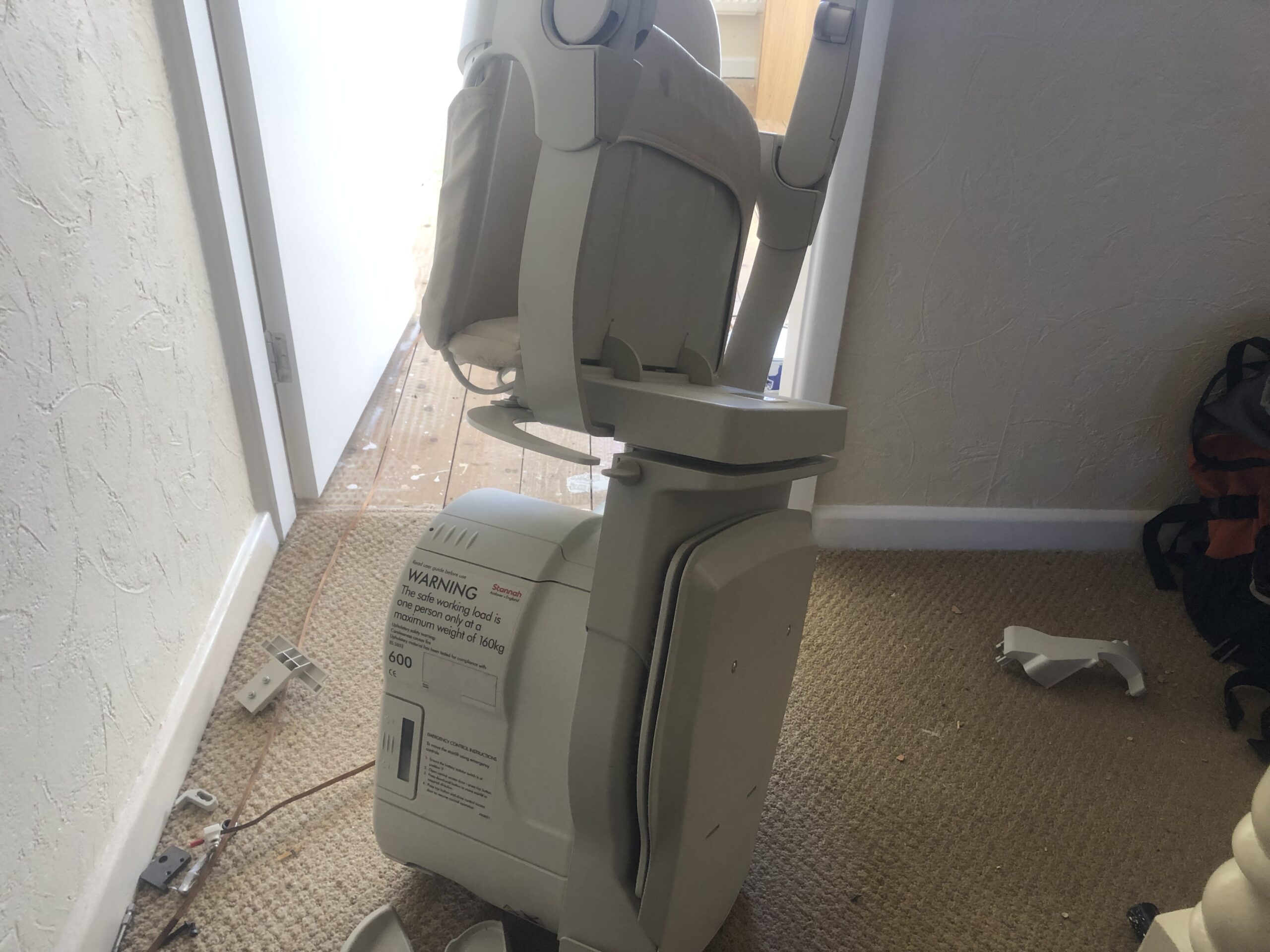
Many estate agents recommend removing stairlifts before marketing a property for several reasons.
First, presentation matters. Property photos and viewings create a first impression, and a stairlift can make a staircase appear narrower or more cluttered. Removing it often makes the home look more spacious and modern.
Second, buyers frequently assume they will have to remove it themselves. Even when removal costs are relatively small, the perception of additional work or expense can discourage offers.
For these reasons, removing the stairlift before marketing can broaden the pool of potential buyers.
When Leaving the Stairlift Could Help Sell a Property
While many homeowners remove stairlifts before selling, there are situations where leaving one installed may actually help attract buyers.
Stairlifts can be appealing to:
- elderly buyers
- people with mobility impairments
- families caring for disabled relatives
- buyers planning to age in place.
For these buyers, a stairlift can add practical accessibility value, making a property more attractive than similar homes without one.
Properties in retirement areas or housing designed for older residents may therefore benefit from leaving accessibility features in place.
Still, an older in-situ stairlift also comes without documentation or warranty, so may be unreliable. Many people prefer to buy a stairlift themselves in the home they currently live in, and often a home they have lived in for some time.
The Demographics of Buyers Most Likely to Want a Stairlift
Buyer demographics play a significant role in whether a stairlift helps or hinders a sale.
Buyers more likely to remove it
These groups generally prefer properties without stairlifts:
- first-time buyers
- young families
- property investors
- buyers seeking modern interiors.
For these buyers, stairlifts often feel unnecessary and may signal that the property was previously occupied by an elderly resident.
Buyers more likely to keep it
These groups are more likely to appreciate a stairlift:
- buyers aged 65+
- people with disabilities
- families caring for elderly relatives
- retirees downsizing.
For these buyers, accessibility features can be a valuable advantage.
Does a Stairlift Suggest Someone Died in the Property?
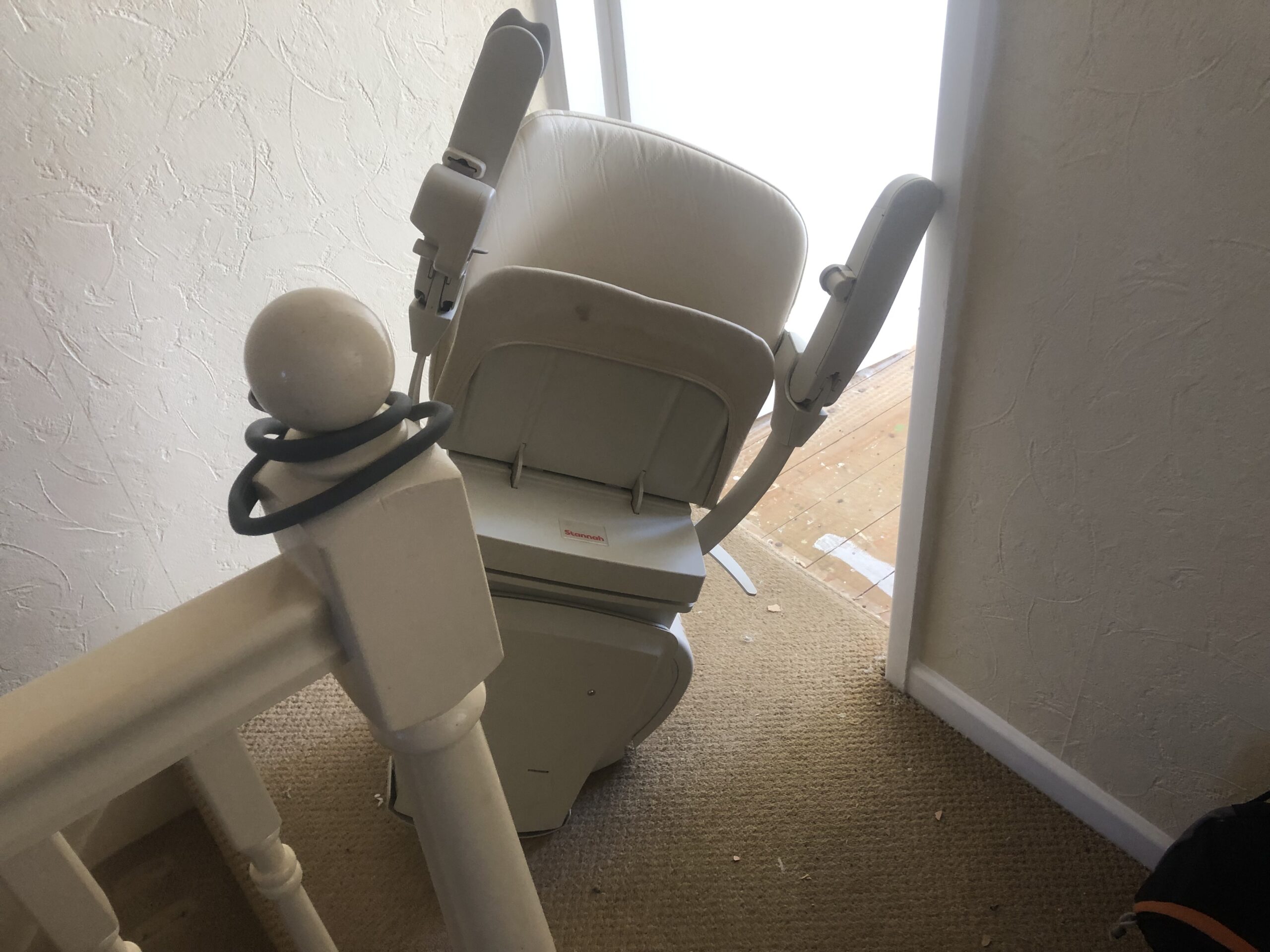
Some sellers worry that a stairlift could create negative associations.
In practice, stairlifts usually signal previous elderly occupancy rather than death. However, some buyers may subconsciously associate stairlifts with:
- aging residents
- declining mobility
- potential maintenance issues in the home.
This perception can make the property feel older or outdated, which is one reason estate agents often suggest removing accessibility equipment before listing.
Cost Considerations When Removing a Stairlift
Removing a stairlift is usually relatively inexpensive compared with the value of a property.
Typical UK costs include:
- £150 removal depending on type and complexity – we also buy some stairlifts, particularly if they can be used for reconditioning. In this case removal is free and we pay up to £400 for certain brands and depending on condition.
- some companies offer free removal if the stairlift can be resold or refurbished.
In some cases, the stairlift may still have resale value, particularly if it is a newer model that can be reused in another property.
Should You Remove a Stairlift Before Selling Your House?
Based on property advice and market behaviour, the general guidance is:
Removing the stairlift is usually best if:
- the property is aimed at family buyers
- you want the widest possible buyer pool
- the stairlift is old or visually intrusive
- estate agents recommend removal before listing photos.
Leaving the stairlift may make sense if:
- the property is marketed to older buyers
- it is in a retirement community
- accessibility features are a selling point.
In most typical residential markets, removing the stairlift before listing the property helps create a more neutral, broadly appealing presentation.
Should You Remove a Stairlift Before Selling Your House? – Final Verdict
A stairlift rarely changes the actual value of a property, but it can affect buyer perception and marketability.
Most estate agents therefore recommend removing stairlifts before selling because it:
- improves presentation in marketing photos
- prevents buyers worrying about removal costs
- widens the potential buyer pool.
However, in the right market—particularly where accessibility is important—a stairlift can sometimes be a useful selling feature rather than a drawback.
Ultimately, the best decision depends on who is most likely to buy your property.
If you need to remove your stairlift give us a call. We buy certain makes and models and are happy to give you a quote if you have a preferred model.
You can see some of our removals on our YouTube channel here.