


Are Stairlifts Safe for People with Dementia? Key Considerations and Safety Features
Are Stairlifts Safe for People with Dementia? For people living with dementia, staying safe and independent at home can be a major concern — especially when stairs become difficult or dangerous to use. A stairlift can help maintain freedom and reduce fall risks, but when dementia is involved, there are additional factors to consider.
Alzheimer’s disease is the most common cause of dementia and is characterised by the accumulation of abnormal proteins (amyloid and tau) in the brain that damage nerve cells and their connections.
In this article, we’ll explore whether stairlifts are suitable for people with dementia, what precautions should be taken, and which safety features matter most.
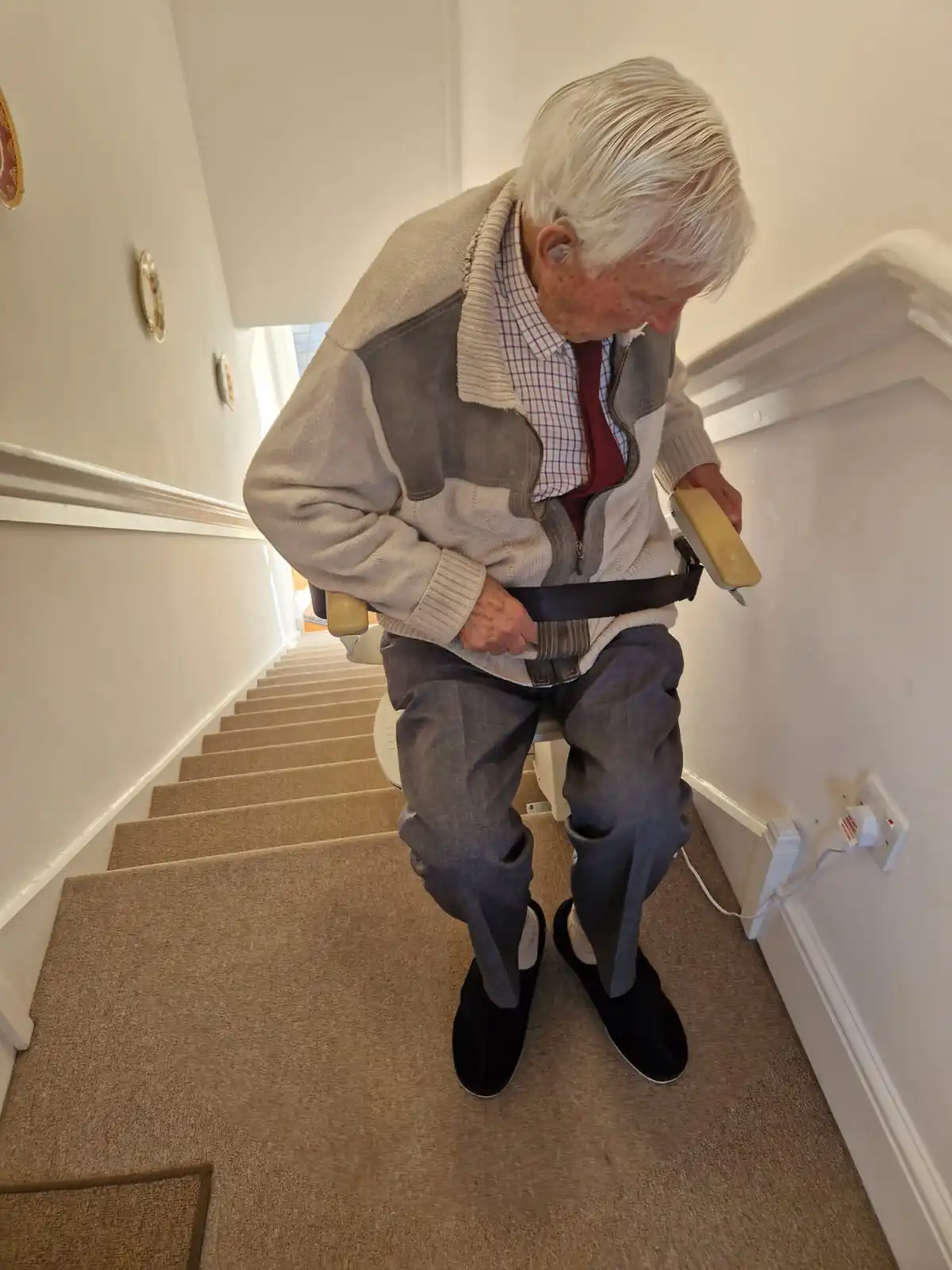
Understanding Dementia and Stairlift Safety
Dementia affects memory, perception, and decision-making. This can sometimes make it challenging for a person to remember how to operate a stairlift or to recognise potential hazards. It’s also important to understand what stage of dementia someone is in, and how this affects their ability both mentally and physically.
Careful planning and supervision are essential if you’re considering a stairlift for someone with dementia. With the right setup and support, many people with mild to moderate dementia can continue using a stairlift safely and confidently.
Are Stairlifts Safe for People with Dementia – Key Considerations
Here are some important factors to think about when deciding whether a stairlift is right for someone with dementia:
1. Cognitive Ability and Familiarity
Assess whether the person can remember simple sequences and operate buttons consistently. For some, a short demonstration and a few practice runs are all that’s needed. For others with more advanced dementia, supervision may be necessary.
2. Ease of Use
Choose a stairlift with simple, intuitive controls — ideally, a large, single-direction toggle switch or joystick. Avoid complex remotes or multi-button systems that could cause confusion.
3. Visual and Sensory Cues
Clear markings, contrast colours, and well-lit areas help those with dementia recognise where to sit and which buttons to press. Some stairlifts can also be customised with bright seat colours for better visibility.
4. Routine and Familiarity
Installing a stairlift early — before dementia symptoms progress — helps the person become familiar with it. This can make it feel like part of their daily routine, rather than a new or confusing device.
5. Supervision and Support
Caregivers should observe stairlift use at first, ensuring safety and comfort. In some cases, the stairlift can be operated remotely by a family member or carer for extra peace of mind.
Essential Safety Features for People with Dementia
When choosing a stairlift for someone with dementia, look for the following safety features:
✅ Seat Belt or Harness
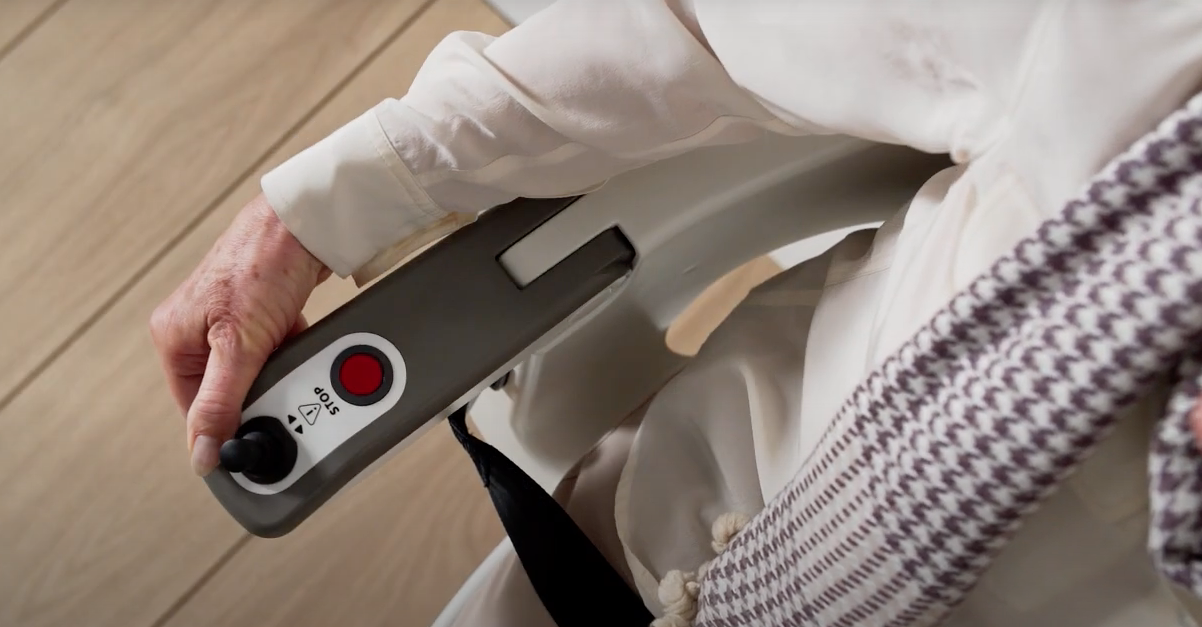
A secure, easy-to-use seat belt (ideally automatic or retractable) prevents accidental slips or attempts to stand mid-journey.
✅ Swivel Seat Lock
Prevents the user from turning or standing while the lift is in motion. The seat locks firmly in place at the top and bottom of the stairs.
✅ Key Lock Function
Allows caregivers to disable the stairlift when not in use — a useful feature to prevent unsupervised operation if the person becomes confused.
✅ Obstruction Sensors
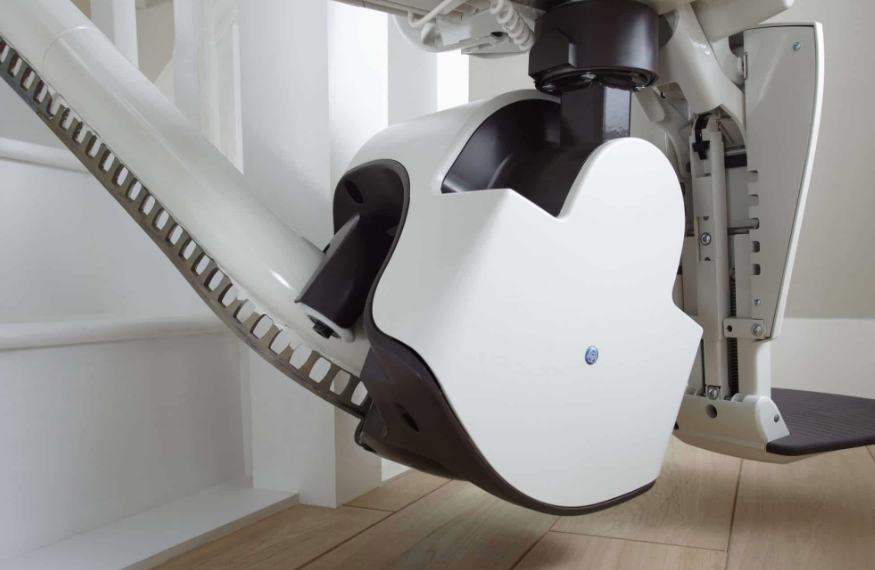
Automatically stop the stairlift if something is blocking the track, helping to prevent accidents and damage.
✅ Soft Start and Stop Mechanism
Ensures a gentle, comfortable ride without sudden movements that could cause distress or disorientation.
✅ Battery Backup
Keeps the stairlift operational during a power cut — vital for people who may panic or become confused if the lift stops unexpectedly.
Professional Assessment and Installation
Before installing a stairlift for someone with dementia, it’s important to have a professional home assessment. At UK Stairlifts, our friendly surveyors take the time to understand your individual needs, home layout, and safety requirements.

We’ll help you choose the most suitable model — whether it’s a straight stairlift, curved stairlift, or a compact design for narrow stairs — and ensure it includes the right safety features for your peace of mind.
Compassionate, Safe, and Reliable Stairlift Solutions
At UK Stairlifts, we understand that every customer’s situation is unique. Our goal is to help families maintain independence safely and comfortably, even when conditions like dementia are part of daily life.
📞 Call us today on 0800 046 3438 for free advice or to arrange a no-obligation home survey.
👉 Or get in touch online via our contact page.
Your safety, comfort, and peace of mind are always our top priority.