


Stairlift Vs. Moving Handrail: Which Is the Right Choice?
A stairlift vs a moving handrail – what’s the best choice? When home mobility becomes a concern, stairs are often the first major obstacle. For many households, the choice comes down to whether you install a stairlift or whether a moving handrail is the best option.
A handrail allows you to benefit from continuous exercise in your home, giving your more opportunity to maintain your fitness and strength, by tackling the stairs yourself. A stairlift takes the strain out of the stairs altogether, and may be a safer option depending on mobility needs.
Both solutions can improve safety and independence — but they’re designed for very different needs. This guide will help you decide which option is best for you or a loved one.
Stairlift vs Moving Handrail: What Is a Stairlift?
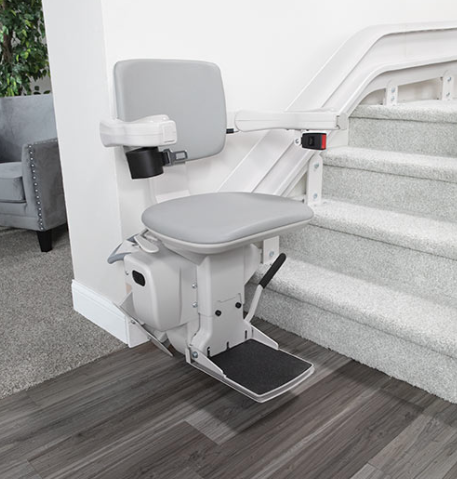
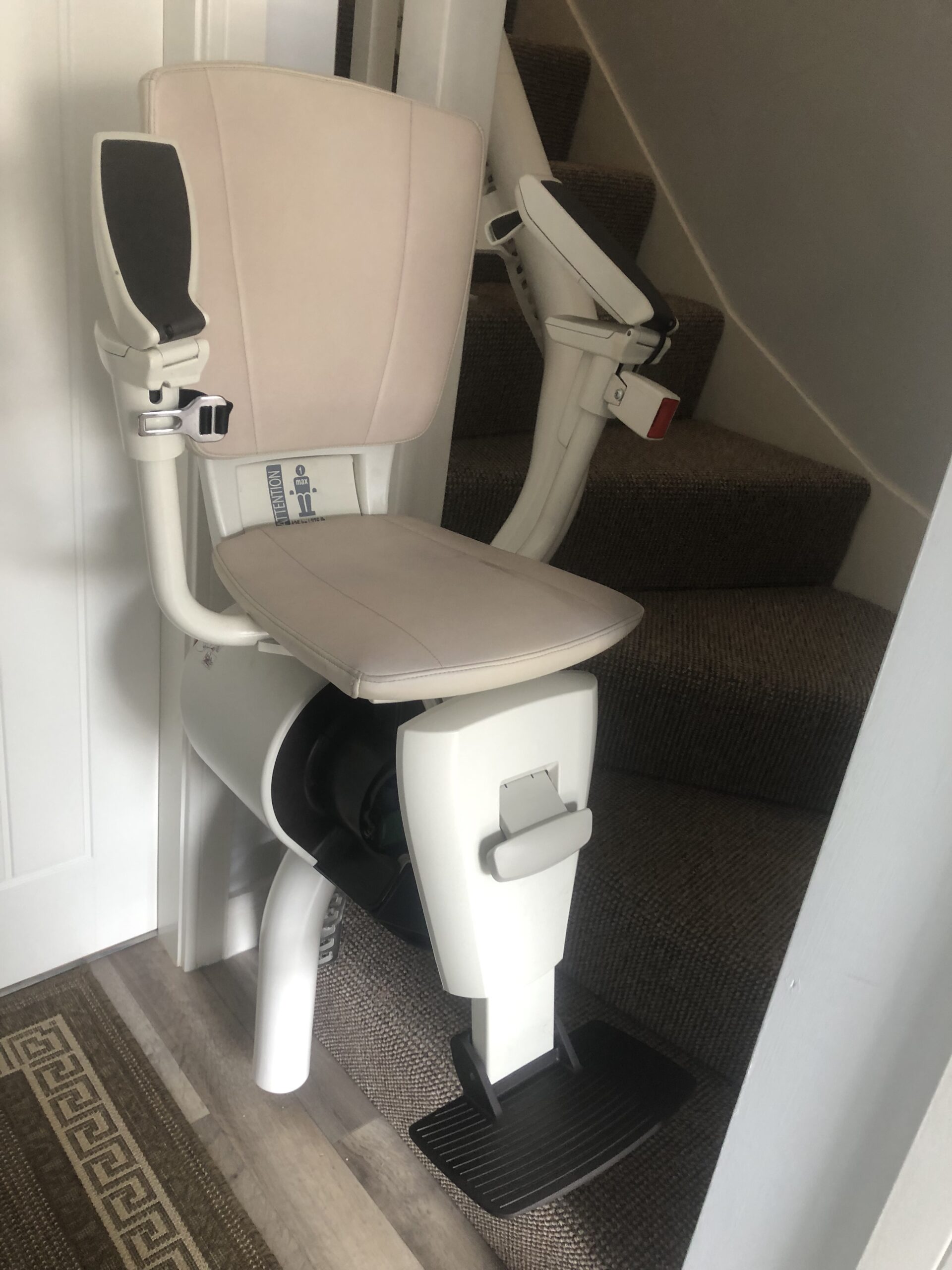
A stairlift is a motorised chair that travels along a rail fitted to the staircase. It allows someone to move safely between floors without needing to climb the stairs at all.
Stairlifts are typically best for people who:
- Struggle with balance or coordination
- Experience pain in the knees, hips, or back
- Have limited strength or breathlessness
- Are at risk of falling
- Use a walking aid
- Have a progressive condition that may worsen over time
Stairlifts provide a safe, seated journey, reducing the physical strain and risk associated with stair use.
Stairlift vs Moving Handrail:What’s a Moving Handrail?

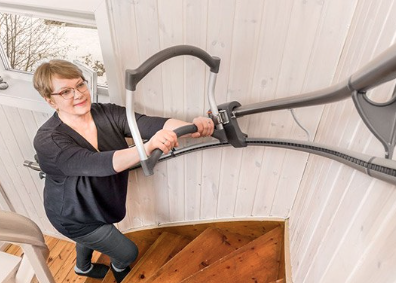
A moving handrail (see also posts on StairSteady and Assistep), is a movable rail that moves at a controlled pace as the user walks up or down the stairs. It provides support and stability, while still requiring the person to walk. Both the Assistep and Stairsteady are designed to give traction on the handle when force is applied, and to slide along the rail for maximum efficiency when moving up or down the stairs.
Moving handrails may suit people who:
- Can still climb stairs independently
- Want to maintain leg strength and fitness
- Need light assistance rather than full support
- Are recovering from surgery or injury
This option can be appealing for those who want to keep exercising on the stairs, while having something solid to hold onto.
Stairlift vs Moving Handrail: Key Differences
1. Safety
- Stairlift: Offers maximum safety by eliminating the need to walk on the stairs.
- Moving handrail: Improves stability but still relies on the user’s balance and strength.
If falls are a concern, a stairlift is usually the safer option.
2. Physical Effort
- Stairlift: No physical effort required.
- Moving handrail: Requires walking, stepping, and coordination.
A moving handrail supports activity, but it may not be suitable if fatigue or joint pain is an issue.
3. Long-Term Suitability
- Stairlift: Suitable for long-term and worsening mobility issues.
- Moving handrail: Often better for short- to medium-term support.
Many families choose stairlifts because they remain practical even if mobility declines further.
4. Confidence and Independence
- Stairlift: Allows confident use of stairs without fear.
- Moving handrail: Can still feel challenging for someone who lacks confidence on the stairs.
Confidence is often just as important as physical ability.
Stairlift vs Moving Handrail: Should Exercise Be a Deciding Factor?
It’s completely natural to want to encourage a loved one to stay active. However, exercise should never come at the expense of safety.
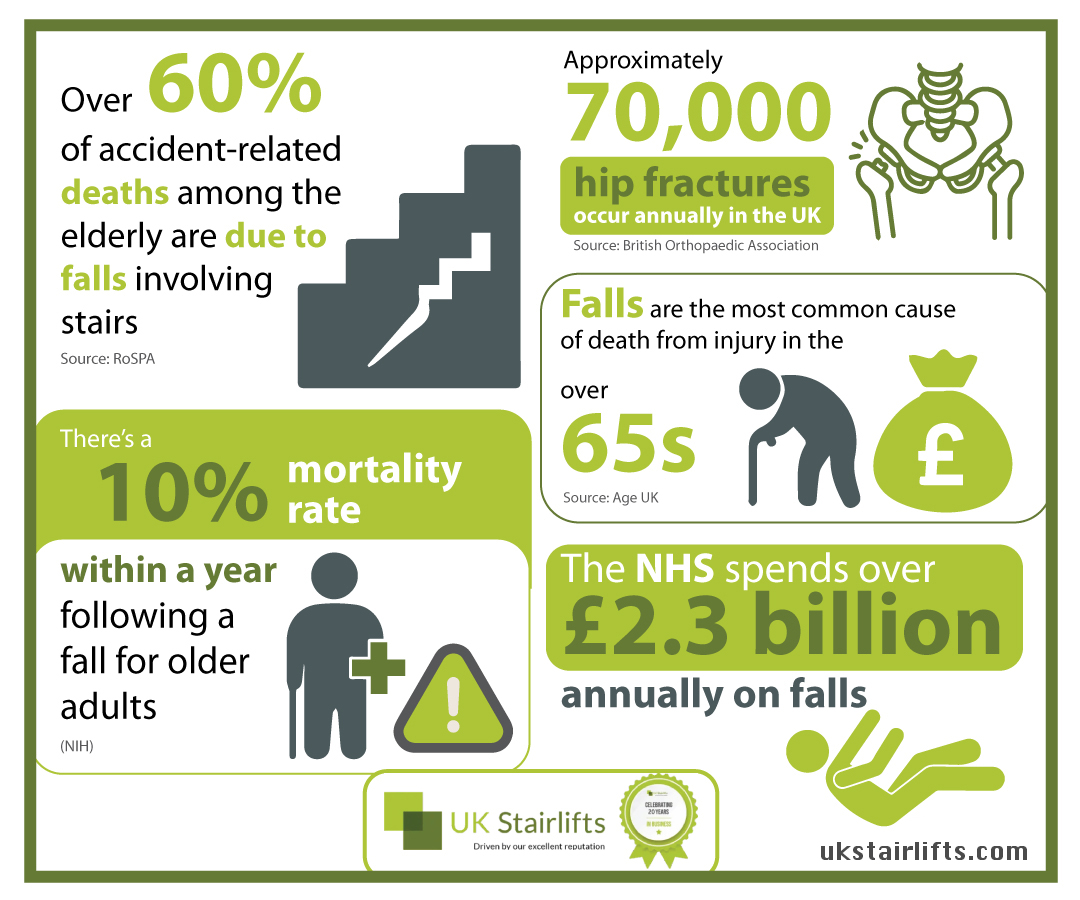
If someone is already avoiding the stairs, struggling, or worrying about falling, a stairlift often restores independence rather than reducing it. Many people find they move around the home more, not less, once stairs are no longer a barrier.
Gentle exercise can still be maintained through:
- Walking on flat surfaces
- Physiotherapy-approved routines
- Supervised strength and balance exercises
A Common Compromise: Planning for the Future
Some families start with a moving handrail, then move to a stairlift later. However, this can mean paying twice and adapting to another change.
If mobility is already declining, choosing a stairlift sooner can:
- Prevent accidents
- Reduce stress for family members
- Future-proof the home
Reconditioned stairlifts can also make this option more affordable, with prices starting from £1,250. With moving rails priced from £800 to £2,200, this can be a deciding factor to go with a longer-term solution of a stairlift.
So, Which Is Right?
A stairlift may be the better choice if:
- Safety is the top priority
- Stairs cause pain, fear, or exhaustion
- Mobility is unlikely to improve
A moving handrail may be suitable if:
- The user is stable and confident on stairs
- Exercise is safe and encouraged by a professional
- Only light assistance is needed
- The users health condition will improve
If you’re unsure, professional advice can make the decision much clearer. It is recommended you talk to an occupational therapist if you are unsure of the best decision, to determine which solution is best according to the health of the user.
Get Personal Advice – No Pressure
Choosing the right solution isn’t just about equipment — it’s about peace of mind.
📞 Call us free on 0800 046 3438 to talk through your situation with an experienced advisor, or 👉 Request a free, no-obligation quote here: Contact Us
We’ll help you decide whether a stairlift is the safest, most practical option for your home — now and in the future.
Your safety, independence, and comfort always come first.
Checkout some of our installations on our YouTube channel here.