


Fall Risks for the Elderly
Falls are one of the most serious and often underestimated risks facing older adults. While a slip or trip might be a minor inconvenience for a younger person, for someone aged 65 or over, a fall can have life-changing — and even fatal — consequences. Understanding the main fall risks for the elderly is the first step in preventing them and keeping loved ones safe at home. See also our post fall prevention for the elderly.
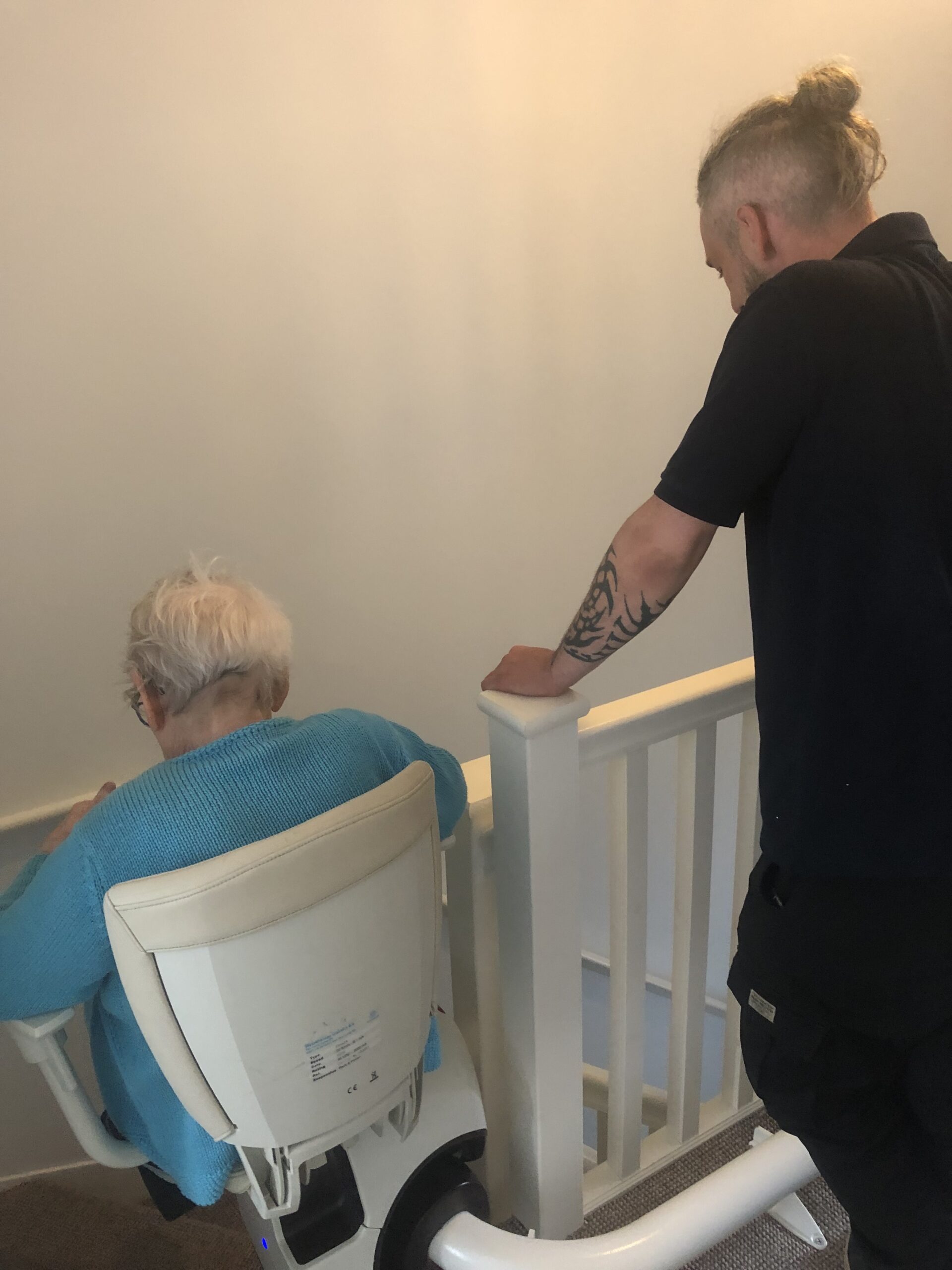
Fall Risks For The Elderly – Why Falls Are So Dangerous For Older Adults
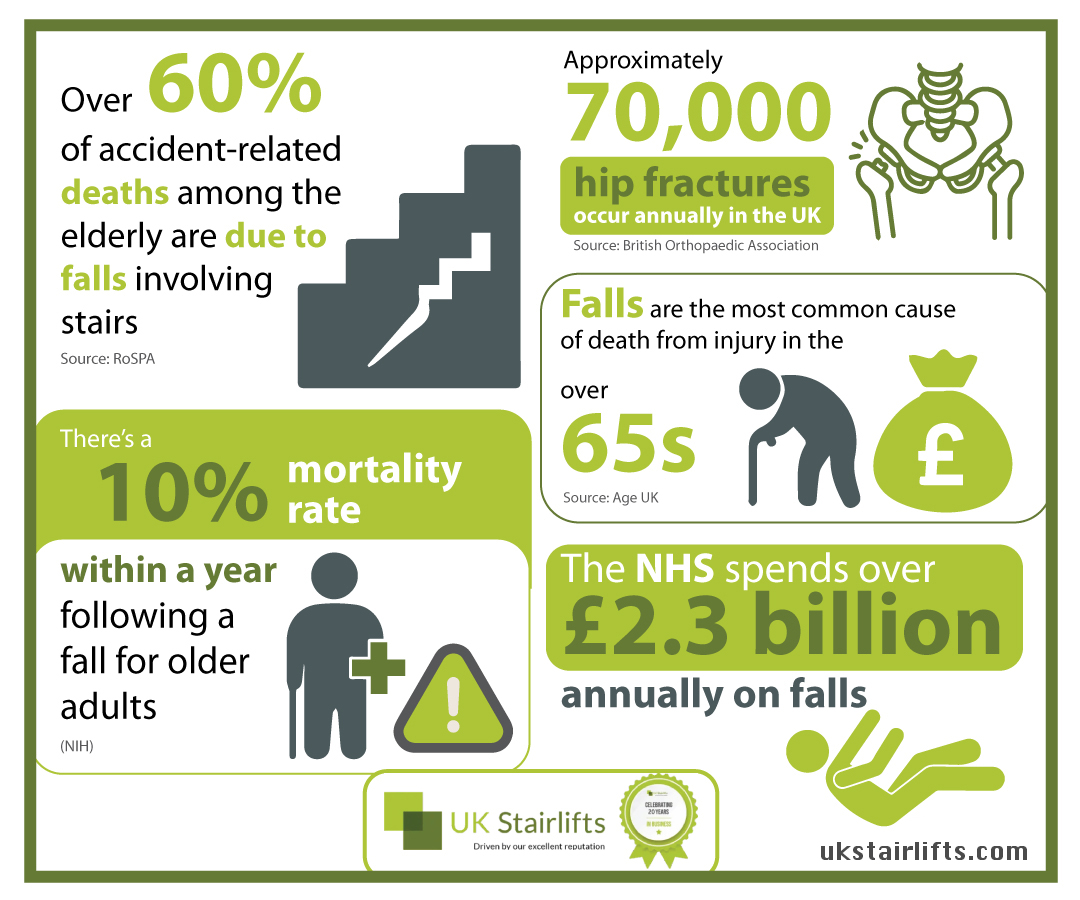
As we age, changes in strength, balance, vision and reaction time significantly increase the likelihood of falling. The statistics are sobering:
-
Over 60% of accident-related deaths among the elderly are caused by falls on stairs (ROSPA).
-
Falls are the most common cause of death from injury in people over 65 (Age UK).
-
There is a 10% mortality rate within one year following a fall for older adults (NIH).
These figures highlight that falls are not just “accidents” — they are a major health risk that deserves serious attention.
Fall Risks For The Elderly – The Most Common Fall Risks for the Elderly
1. Stairs and Level Changes
Stairs are one of the biggest danger zones in any home. Poor lighting, steep steps, worn carpets, or lack of handrails dramatically increase the risk of falling. For older adults with reduced mobility, stairs can quickly become unsafe, even if they’ve used them for years without issue.
2. Reduced Balance and Muscle Strength
Age-related muscle loss and balance issues make it harder to recover from a stumble. Conditions such as arthritis, Parkinson’s disease, or the aftermath of a stroke can further increase instability.
3. Vision and Hearing Impairment
Poor eyesight can make it difficult to judge depth, spot obstacles, or see changes in floor level. Hearing loss may also reduce awareness of surroundings, increasing the likelihood of missteps.
4. Fall Risks For The Elderly – Medication Side Effects
Many common medications for blood pressure, sleep, anxiety, or pain can cause dizziness, drowsiness, or drops in blood pressure when standing — all of which raise fall risk.
5. Slippery or Cluttered Floors
Loose rugs, trailing wires, pets underfoot, and slippery surfaces in kitchens and bathrooms are common causes of falls inside the home.
6. Poor Lighting
Dimly lit hallways, staircases, and bedrooms make it harder to see hazards, especially at night when older adults may be tired or disoriented.
7. Rushing or Loss of Confidence
Ironically, fear of falling can sometimes make falls more likely. Rushing to answer the door or get to the bathroom, or moving awkwardly due to lack of confidence, can increase the chance of an accident.
The Long-Term Impact of a Fall
Beyond the immediate injury, falls often lead to a loss of independence. Many older adults experience reduced mobility, long hospital stays, or a fear of moving around their own home after a fall. This loss of confidence can contribute to social isolation, declining health, and a reduced quality of life.
Given the 10% mortality rate within a year of a fall, prevention is not just about comfort — it’s about survival.
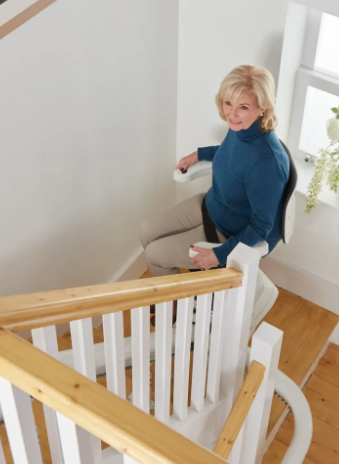
Reducing Fall Risks at Home
Simple changes can make a significant difference, such as:
-
Improving lighting throughout the home
-
Removing trip hazards and securing carpets
-
Installing handrails and grab bars
-
Reviewing medications with a GP
-
Addressing stair safety with professional solutions
For many households, making stairs safer — or eliminating the need to use them altogether — is one of the most effective ways to reduce fall risk.
Get Expert Advice on Staying Safe at Home
If stairs are becoming a concern for you or a loved one, professional guidance can help you stay independent and safe for longer.
Call us today on 0800 046 3438 or visit https://ukstairlifts.com/contact/ to arrange a free, no-obligation chat about stair safety and mobility solutions. A small change now could prevent a serious fall in the future.
See some of our stairlift installations on our YouTube channel here.