


Not everyone has the same requirements for a stairlift, so which stairlift is best for you? Stair lifts, also known as chair lifts or stair gliders, are mechanical devices designed to help individuals with mobility issues navigate stairs comfortably and safely. These devices consist of a chair or a platform that moves along a rail fitted to the staircase. Users simply sit on the chair or stand on the platform, and with the push of a button, they are transported up or down the stairs effortlessly. The chair or platform is powered by batteries which are trickle charged from the mains electricity. This feature ensures functionality during power outages.

The basic mechanics of a stair lift involve a motorised gear system that propels the lift along the rail. Modern stair lifts are equipped with a range of safety features, such as seat belts, swivel seats, and remote controls, to ensure user security and convenience. Many models also have sensors that detect obstacles on the stairs, automatically stopping the lift to prevent accidents. The combination of these features makes stair lifts a reliable and safe mobility solution for those with difficulties negotiating stairs.
Beyond the basic functionality, today’s stair lifts are designed with user comfort in mind. Ergonomically designed seats, adjustable armrests, and footrests provide a comfortable ride. Moreover, the quiet operation of the lift ensures it does not disrupt the household. With advancements in technology, stair lifts have become more user-friendly, making them an ideal addition to any home where mobility assistance is needed.
Which Stairlift Is Best For You?
The primary benefit of installing a stair lift is the enhanced mobility it provides. For individuals with limited mobility, whether due to age, injury, or chronic conditions, a stair lift offers the freedom to move between floors without the physical strain and risk of falling. This increased accessibility can significantly improve the quality of life, allowing individuals to maintain independence and continue living in their multi-story homes.
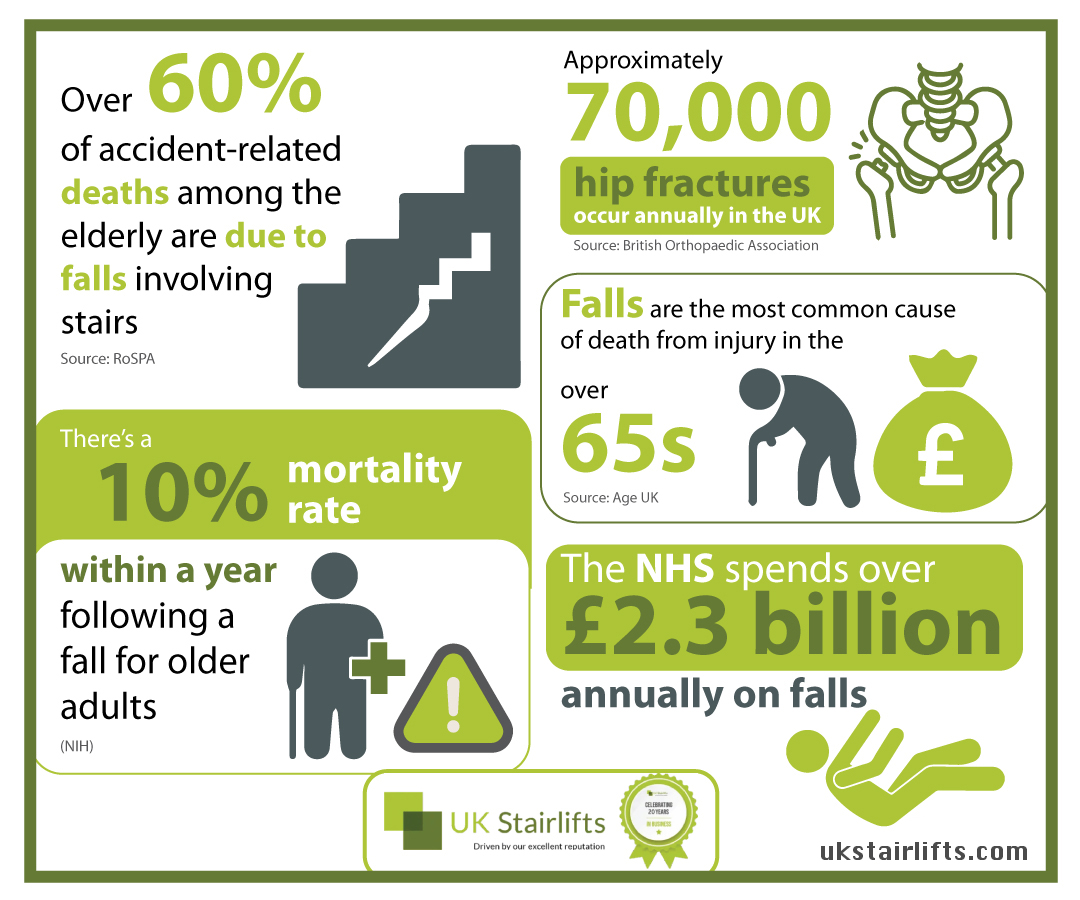
Another significant advantage is the safety and peace of mind that a stair lift offers. Stairs can be hazardous for those with mobility issues, with falls potentially leading to severe injuries. Stair lifts virtually eliminate this risk, providing a secure means of navigating stairs. Family members and caregivers also benefit from the reassurance that their loved ones are safe when using the stairs.
Additionally, stair lifts can contribute to emotional well-being by reducing the frustration and anxiety associated with mobility challenges. The ability to move freely around one’s home can enhance self-esteem and overall happiness. Moreover, by enabling individuals to stay in their familiar surroundings rather than moving to a single-story home or assisted living facility, stair lifts help preserve the comfort and emotional security of home.
Types of Stair Lifts: Choosing the Right One for Your Needs
Stair lifts come in various types, each designed to cater to specific needs and staircase configurations. The most common types include straight stair lifts, curved stair lifts, stairlifts for narrow stairs and heavy duty stairlifts for heavier users. Understanding the differences between these options is crucial in choosing the right one for your home.
Straight stair lifts are the most straightforward and cost-effective option. They are designed for staircases that run in a straight line without any curves or landings. These lifts are relatively easy to install and can usually be fitted within a few hours. They are ideal for homes with a single flight of straight stairs.
Curved stair lifts, on the other hand, are custom-made to fit staircases with curves, landings, or intermediate flat sections. These lifts require a more complex installation process, as the rail must be precisely tailored to the specific dimensions and shape of the staircase. Although they are typically more expensive than straight stair lifts, curved stair lifts offer a seamless and safe solution for navigating multi-flight or uniquely shaped staircases.

Outdoor stair lifts are designed to withstand the elements, providing mobility solutions for exterior stairs. These lifts are built with weather-resistant materials and are ideal for accessing porches, decks, or garden areas. When selecting an outdoor stair lift, it’s essential to ensure it meets all safety standards and is capable of withstanding your local climate conditions.
Key Features to Look for in a Stair Lift
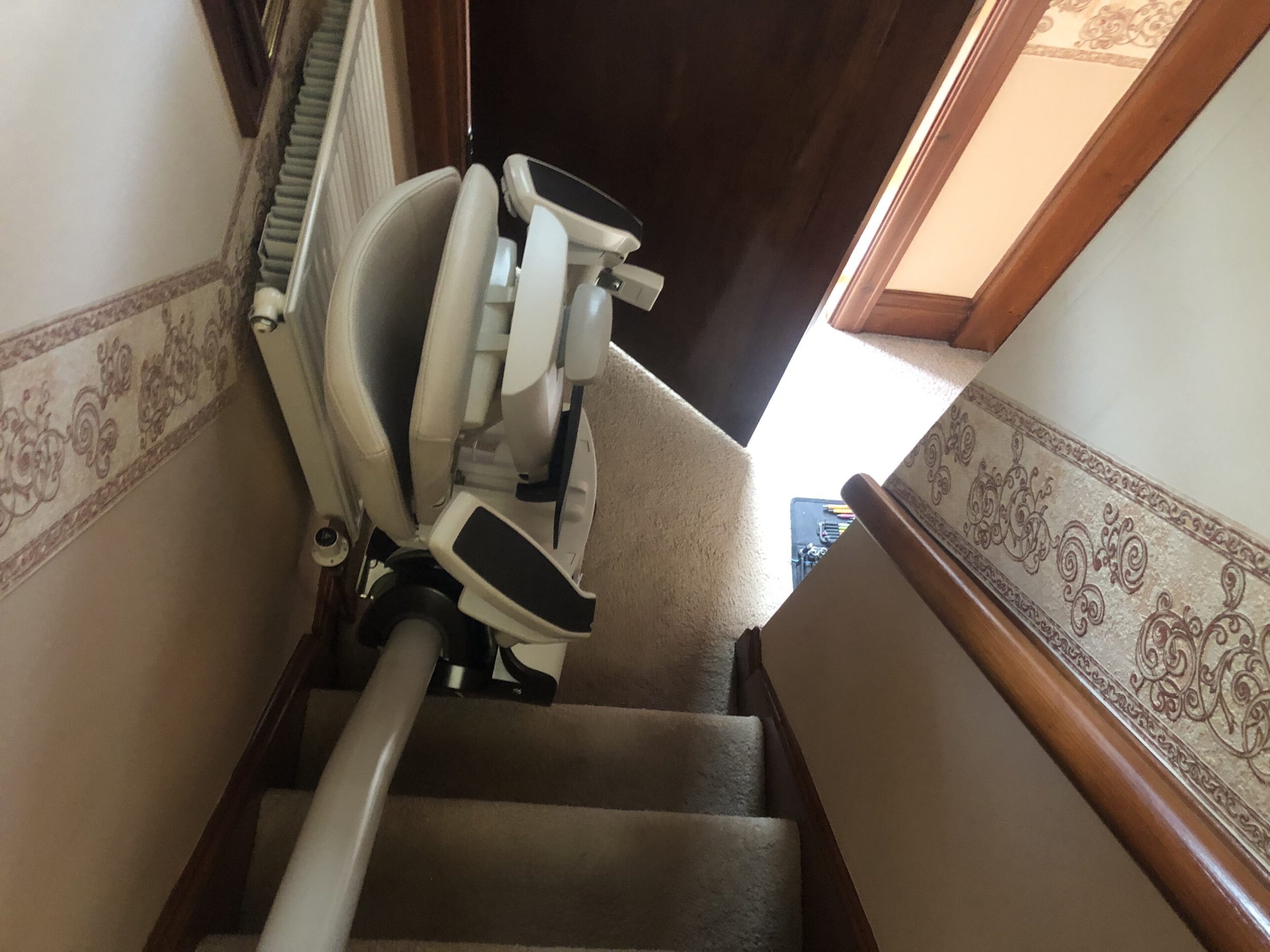
When choosing a stair lift, several key features should be considered to ensure the device meets your needs and preferences. Comfort and safety are paramount, so look for models with padded seats, armrests, and footrests. Adjustable seats and armrests can provide a more tailored and comfortable ride. Swivel seats are also beneficial, as they make it easier to get on and off the lift safely. Some swivel seats are automatic, meaning your chair automatically swivels at the top/bottom of the stairs for easy exit/entry. Others have manual swivel where you operate the turn using a lever.
Safety features are critical in any stair lift. Ensure the model you choose includes seat belts, safety sensors, and emergency stop functions. Safety sensors can detect obstacles on the stairs and stop the lift automatically to prevent accidents.
Convenience and usability are also important considerations. Look for stair lifts with easy-to-use control panels and remote controls, which allow users to call the lift from either end of the stairs. Foldable seats, armrests, and footrests can help save space when the lift is not in use, keeping the staircase accessible for other household members. Additionally, some models offer customisable options, such as different seat colours and rail finishes, to match your home’s décor.
The Stair Lift Installation Process: What to Expect
The installation process of a stair lift is a critical aspect that determines the device’s functionality and safety. Understanding what to expect during installation can help prepare you and ensure a smooth process. Typically, the first step involves an in-home assessment conducted by a stair lift professional. During this assessment, the technician will measure your staircase, evaluate its structure, and discuss your specific needs and preferences.
Once the assessment is complete, the technician will recommend the most suitable type of stair lift for your staircase. For straight stair lifts, the installation process is relatively straightforward and can often be completed within a few hours. Curved stair lifts, however, require a custom-built rail, which can take several weeks to manufacture. The installation itself for curved lifts may take longer due to the complexity of fitting the rail to the unique contours of your staircase.

The actual installation process involves securely mounting the rail to the staircase, ensuring it aligns correctly and operates smoothly. The technician will then install the chair or platform, connect the electrical components, and test the lift to ensure it functions correctly. After installation, the technician will provide a thorough demonstration, showing you how to operate the lift safely and efficiently. They will also explain any maintenance requirements and answer any questions you may have.
Stair Lift Maintenance Tips for Longevity
Regular maintenance is essential to keep your stair lift in optimal condition and ensure its longevity. One of the most important maintenance tasks is to keep the rail and track clean. Dust and debris can accumulate on the rail, affecting the smooth operation of the lift. Wipe down the rail regularly with a damp cloth to prevent buildup. Avoid using harsh chemicals that could damage the stairlift mechanisms.
Lubrication is another key aspect of stair lift maintenance. The lift’s moving parts, such as the gears and bearings, require regular lubrication to function smoothly. Check your stair lift’s manual for the recommended type of lubricant and the frequency of application. Over-lubrication can attract dust, so use it sparingly and wipe off any excess. This is usually done yearly with a service by a professional engineer.

Battery maintenance is also crucial. Stair lifts are designed to charge automatically when not in use, while sitting on their charge point. A power outage shouldn’t affect your stairlift because the batteries will hold the charge for several trips without being connected to the electricity. However, if the power connection isn’t working for some reason, batteries can quickly discharge. Schedule regular professional inspections to identify and address any potential issues before they become major problems. A yearly service is recommended.
Cost Considerations: Budgeting for a Stair Lift
Investing in a stair lift is a significant financial decision, and understanding the cost considerations can help you budget effectively. The price of a stair lift can vary widely based on factors such as the type of lift, the complexity of the installation, and additional features. On average, a straight stair lift can typically cost between £2,000 and £4,000+, while curved stair lifts range from £3,000 to £6,000+ due to the custom-built rail.
UKStairlifts specialise in reconditioned stairlifts which offer the opportunity to save a considerable sum of money. See also our 8 ways to save on a stairlift article.
Additional costs may include installation fees, which can vary depending on the complexity of the job. Some companies include installation in the purchase price, while others charge separately. It’s essential to get a detailed quote that outlines all costs, including any potential extra charges for customizations or special features. All our costs include professional installation and 2 year warranty for our reconditioned stairlifts.
Financing options can help make a stair lift more affordable. Many companies offer financing plans that allow you to spread the cost over several months or years. Additionally, check if there are any grants, subsidies, or insurance coverage available to help offset the cost. Some local governments offer financial assistance programs for home modifications that improve accessibility. See how to get a stairlift on the NHS. Exploring these options can significantly reduce the financial burden of installing a stair lift.
Stair Lifts vs. Alternatives: Evaluating Your Options
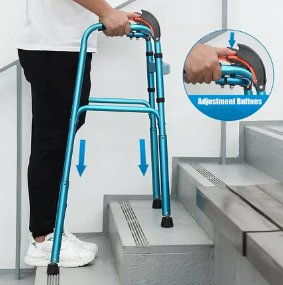
While stair lifts are an excellent solution for many individuals, it’s important to evaluate all available options to ensure you choose the best mobility aid for your needs. One alternative to stair lifts is a home elevator. Home elevators provide vertical transportation between floors and can accommodate wheelchairs and multiple passengers. However, they require significant structural modifications and are generally more expensive than stair lifts.
Another option is a stair climber, a portable device that attaches to a wheelchair and allows it to be moved up and down stairs. Stair climbers are less permanent and can be a cost-effective solution, but they often require assistance from another person and may not be suitable for all types of staircases. Additionally, stair climbers can be physically demanding for the operator, limiting their practicality for some households.
Ramps are also a viable alternative for certain homes, particularly those with outdoor stairs. Ramps provide a gradual incline for wheelchair users and can be a more affordable and permanent solution. However, ramps require sufficient space and may not be practical for indoor use or very steep staircases. When evaluating mobility aids, consider factors such as ease of use, cost, installation requirements, and the specific needs of the user to make an informed decision.
See our post on alternatives to stairlifts for a range of options.
Real-Life Success Stories: How Stair Lifts Changed Lives
Stair lifts have transformed the lives of countless individuals, providing them with greater independence and improved quality of life.
One inspiring story of one of our customers is Graham Brushett who suffers from Desmin Storage Myopathy, a rare muscle wasting disorder. His staircase was very narrow and he struggled for a long time getting someone to install a stairlift in his home which would not clash with the wall. Read our case study on Graham and his stairlift struggles here.
Another inspiring story is that of another client of ours who was essentially trapped on the second floor – he had a similar muscle wasting condition and lived in a 3 story house.
You can read our case study on this installation here.

Conclusion: Which Stairlift Is Best For You?
So, which stairlift is best for you? Choosing the right mobility aid is a crucial decision that can significantly impact your quality of life. Stair lifts offer a practical and effective solution for navigating stairs, providing enhanced mobility, safety, and independence. By understanding the different types of stair lifts, key features, installation process, and maintenance requirements, you can make an informed choice that meets your specific needs and preferences.
Consider the financial aspects, including the initial cost, installation fees, and potential financing options, to ensure the investment fits within your budget. Evaluate alternatives such as home elevators, stair climbers, and ramps to determine the best option for your home and lifestyle. Real-life success stories highlight the transformative impact that stair lifts can have, offering reassurance that this investment can significantly improve your daily life.
Ultimately, the right stair lift can unlock your home’s potential, allowing you to move freely and safely between floors. Take the time to research and consult with professionals to find the perfect stair lift for your needs. With the right choice, you can elevate your life, enhance your mobility, and enjoy the comfort and convenience of your home to the fullest.
Visit our YouTube channel to see some of our videos.