

This week I fell down a flight of stairs! It wasn’t an accident, I did it on purpose! That’s because it was a stunt for a TV show. Before I came to work for UKStairlifts, I was working as a professional stunt performer working on TV shows such as Game Of Thrones and films such as X-Men First Class.
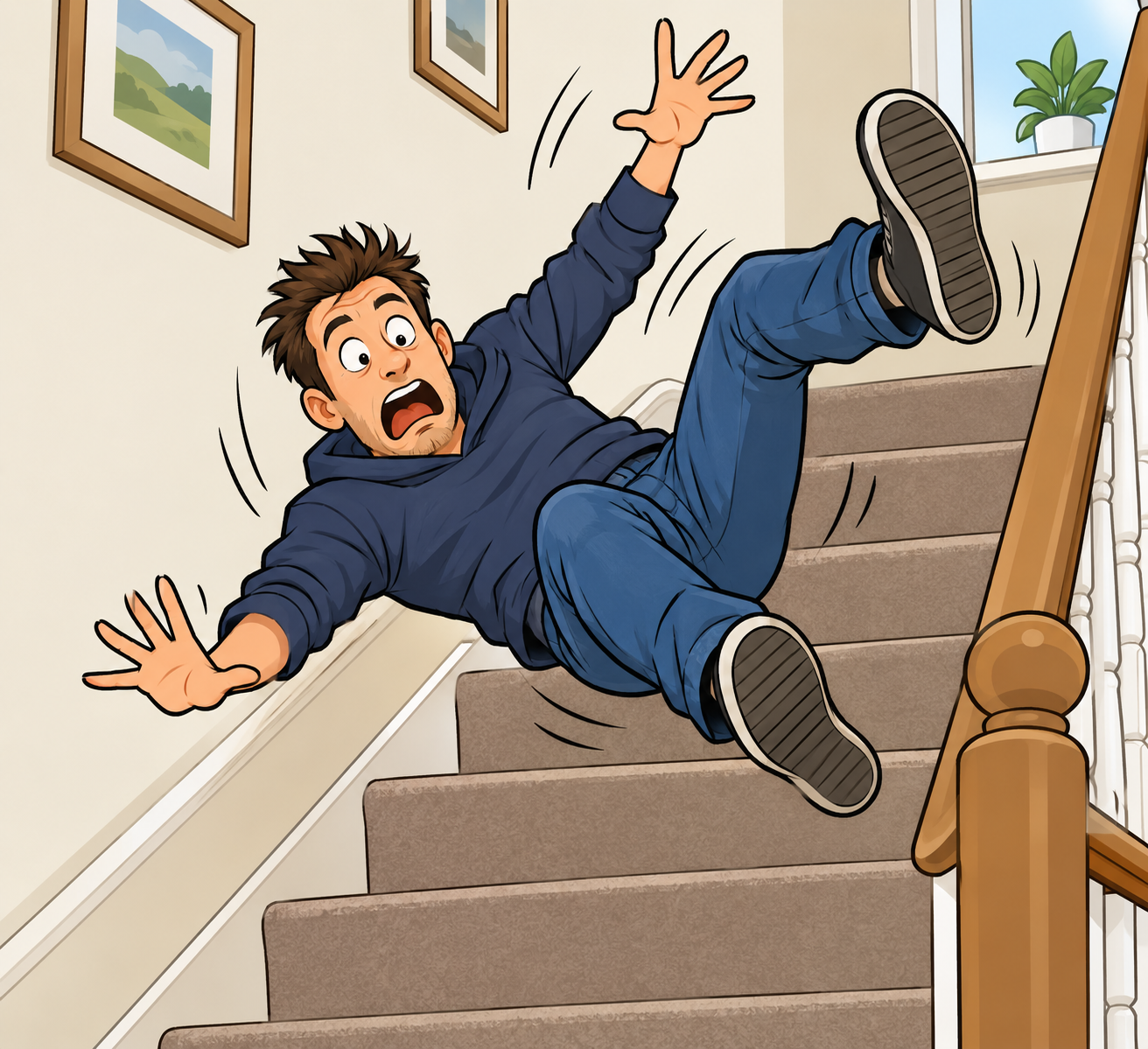
But of course when you plan to fall down the stairs you take a lot of precautions first – such as wearing protective padding and planning how you will fall. When it happens for real, it’s much more dangerous, especially for the elderly. So I definitely wouldn’t recommend it!
A convincing stair fall for a film or TV show requires you to sell the fall convincingly, while not hurting yourself at the same time. So, although I picked up a few bruises which are sometimes unavoidable, I was mostly unhurt.
I wore a back pad, knee pads and elbow pads. I even padded up my ankles after they took a few knocks on the way down! The key to falling and not hurting yourself is to stay relaxed, pad up and don’t let your head touch the stairs or wall/bannister.
A real fall is something you don’t prepare for, so you often react by tensing up and bracing your body, which can cause more damage because of the impact.
If you’re elderly, small impacts have a more devastating effect due to having more brittle bones. Recovery takes much longer too, especially from breaks.
Falling Down Stairs: A Stuntman’s Guide
In the home, the stairs are the most dangerous place to take a fall because they can do the most damage, particularly if you’re elderly.
So if you’re elderly or have an elderly relative, and you’re trying to convince them to get a stairlift it’s worth knowing that many of our customers don’t come to us pro-actively. Many of them come for a stairlift after a fall at home because a stairlift becomes a necessity.
-
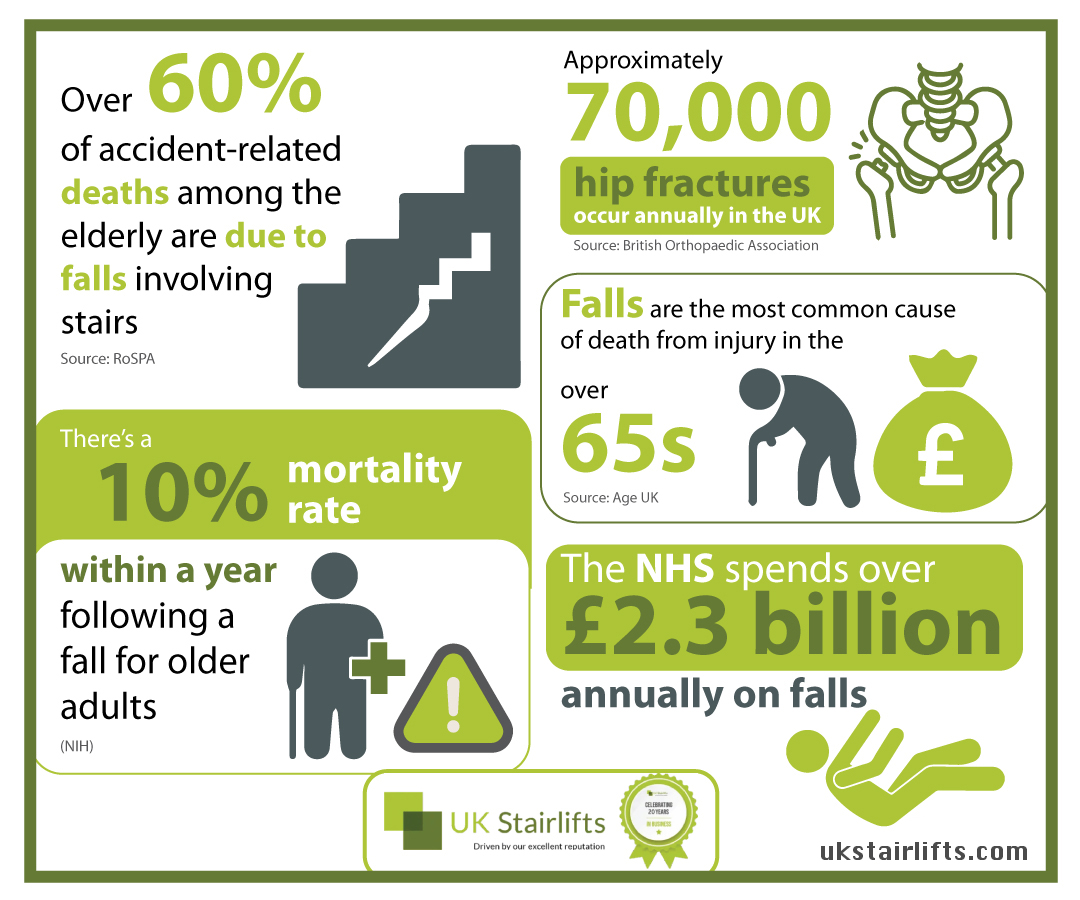
Over 60% of accident-related deaths in the elderly are caused by falls involving stairs, according to RoSPA – The Royal Society for the Prevention of Accidents
-
There is a 10% mortality rate within one year following a fall among older adults, according to the National Institutes of Health
So while a stairlift is not something on everyone’s Christmas wish list, they are a good thing to consider pro-actively if you’re at all concerned about an elderly relative, or for yourself.
Stair Fall Prevention – A Stuntman’s Angle
As a stuntman, you consider every angle before you perform the stunt. Thinking ahead can mean you avoid an injury by planning – the same is true for your elderly relative once they start struggling with the stairs or their health.
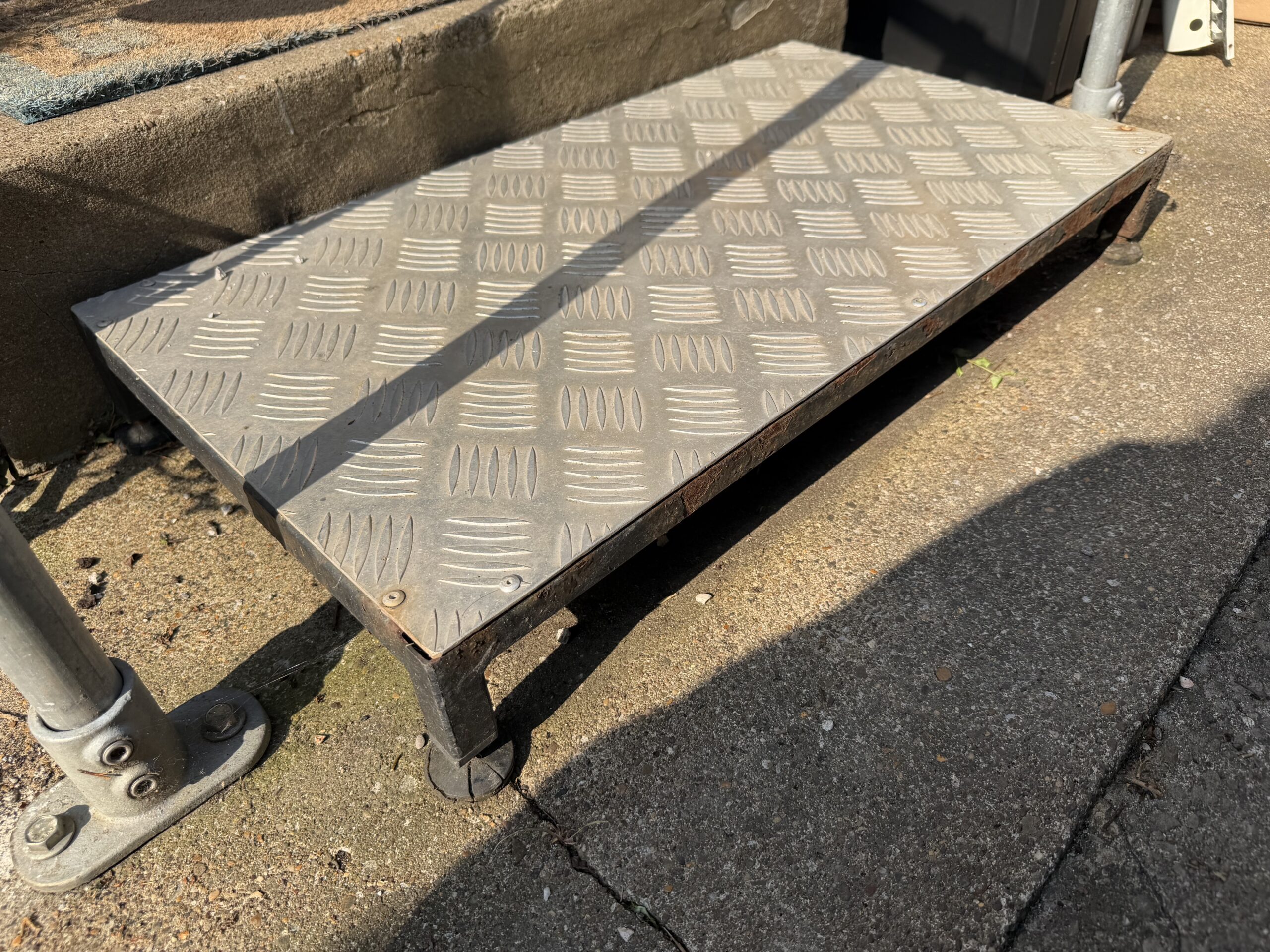
Fall prevention in the elderly is about looking ahead and looking for potential problems. Getting grab rails, or handrails installed is a great first step – no pun intended! You can also get half steps if there are any awkward steps for them to navigate, for example.
A stairlift is often overlooked until it becomes necessary, which is why it is wise to plan ahead. There are also plenty of alternatives to a stairlift, if you feel you’re not ready for a stairlift yet.
Summary
Falling down stairs is a dangerous business and we don’t recommend it – especially for the elderly!
Stunt professionals are trained not to hurt themselves while performing dangerous activities! Definitely don’t try this at home!
While it is important to keep your mobility as you age, the stairs are the most dangerous place to get exercise once your health starts to decline – especially for the elderly.
Home is where most accidents occur though and sadly many stairlift purchases come about after an accident on the stairs. Don’t let it be you, or your elderly relative – plan ahead and get advice if you need it from an occupational therapist.
Stairlifts can help you with mobility in the home and reduce the risk of a fall. Call our team for more details and with any questions on 0800 046 3438. We specialise in reconditioned stairlifts and stairlifts for narrow/awkward stairs.